



How to Tell If a Website Uses WordPress: 7 Easy Ways to Confirm

You can tell if a website is WordPress by checking the page source for “wp-content,” testing the /wp-admin URL, or using detection tools. These quick methods confirm if a site runs on WordPress.

Key Takeaways

Here are the most important points to know when checking if a website uses WordPress:

How to Tell If a Website Uses WordPress: Quick and Reliable Methods

You can tell if this site is WordPress by checking for technical indicators that WordPress installs by default. Most WordPress websites include identifiable directory paths, login endpoints, and API structures that reveal the platform. Even if the design hides visible clues, the backend structure often confirms whether the site runs on WordPress.

A skilled WordPress developer understands these technical footprints and knows how to identify them quickly. By reviewing the source code, testing common URLs, and inspecting file paths, you can confirm if a website uses WordPress without relying on guesswork. Use the methods below to verify the CMS with confidence.

1. View the Page Source

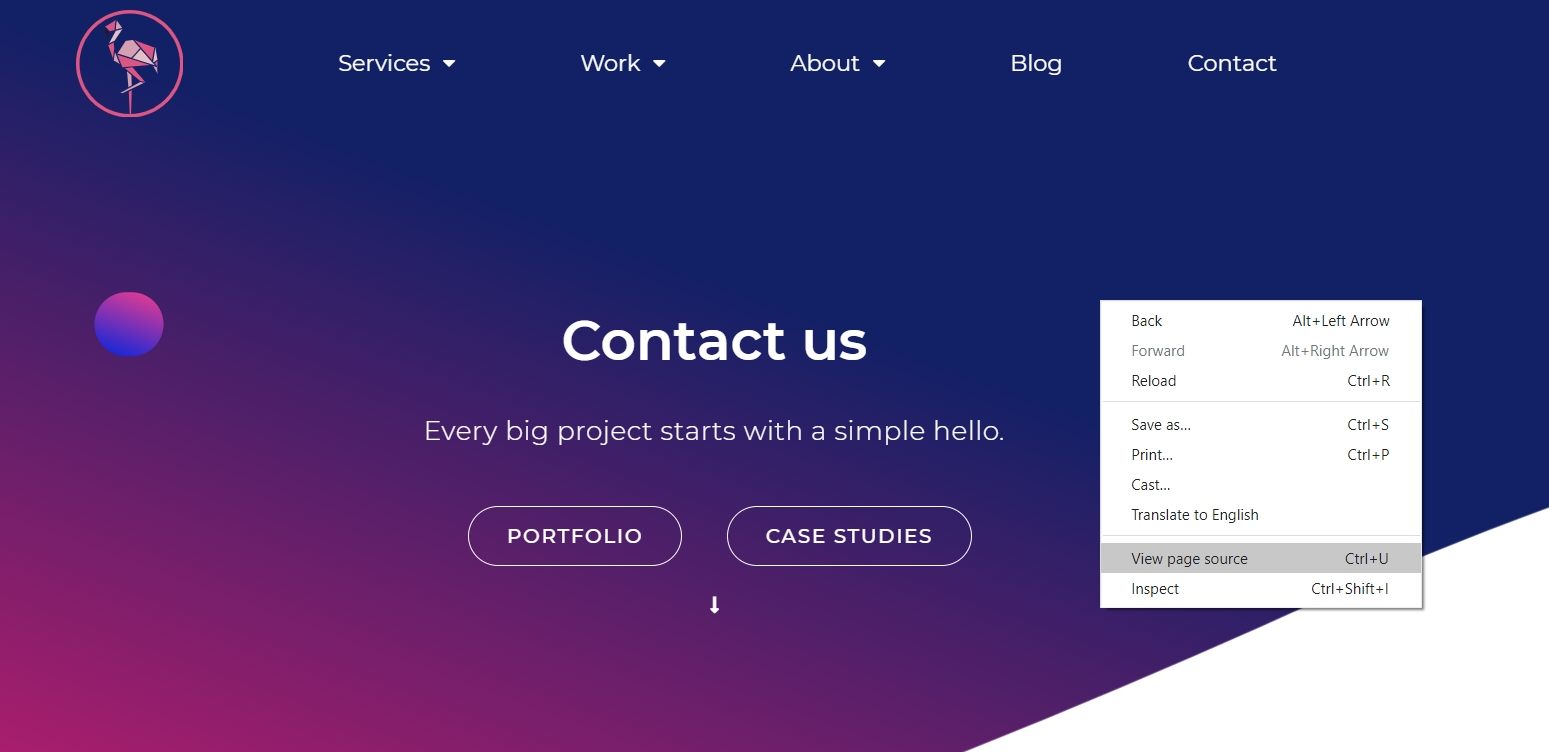
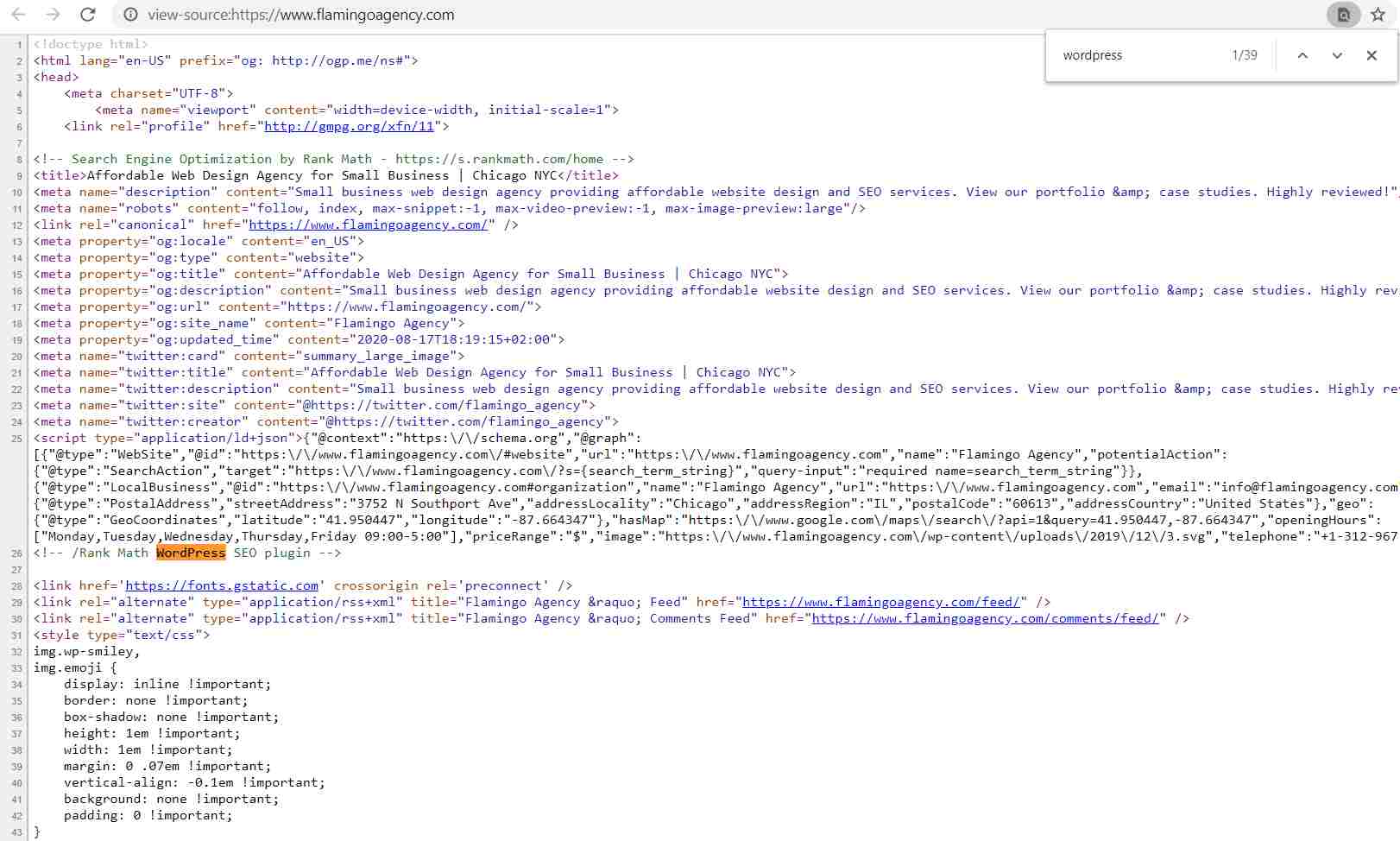
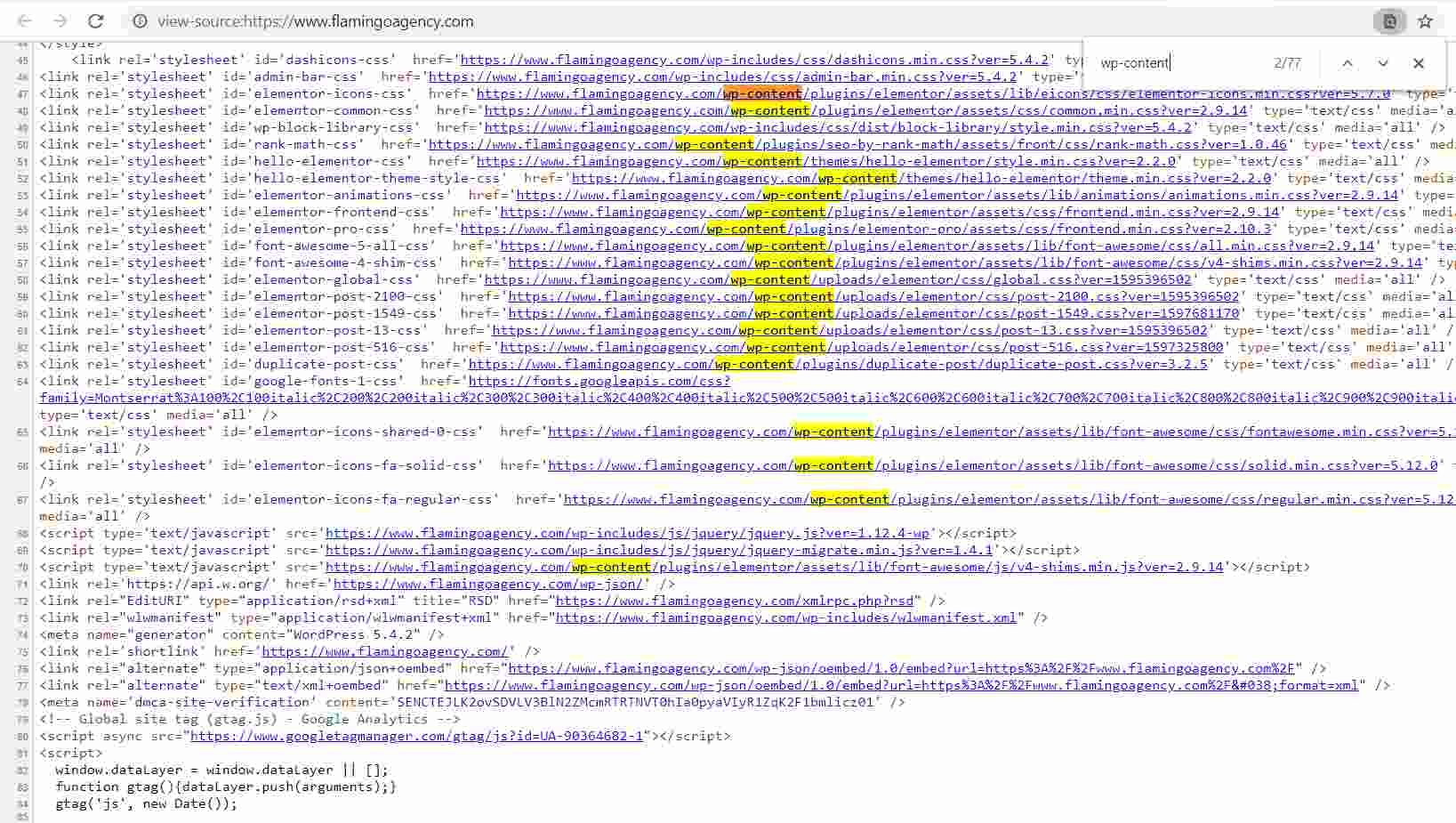
Viewing the page source is the most reliable way to confirm WordPress. Right-click on the page and select “View Page Source.” Then search for common WordPress directories such as:

  • wp-content

  • wp-includes

  • wp-admin

WordPress themes and plugins load assets from these folders by default. You will often see CSS files, JavaScript files, or image paths referencing these directories.

For example:

				
					/wp-content/themes/
/wp-content/plugins/
/wp-content/uploads/


If these directories appear in the source code, the website is running on WordPress.

Some developers attempt to obscure these paths for security reasons. However, fully removing all WordPress traces is difficult. In most cases, at least one reference remains visible in the HTML source.

2. Test the /wp-admin Login URL

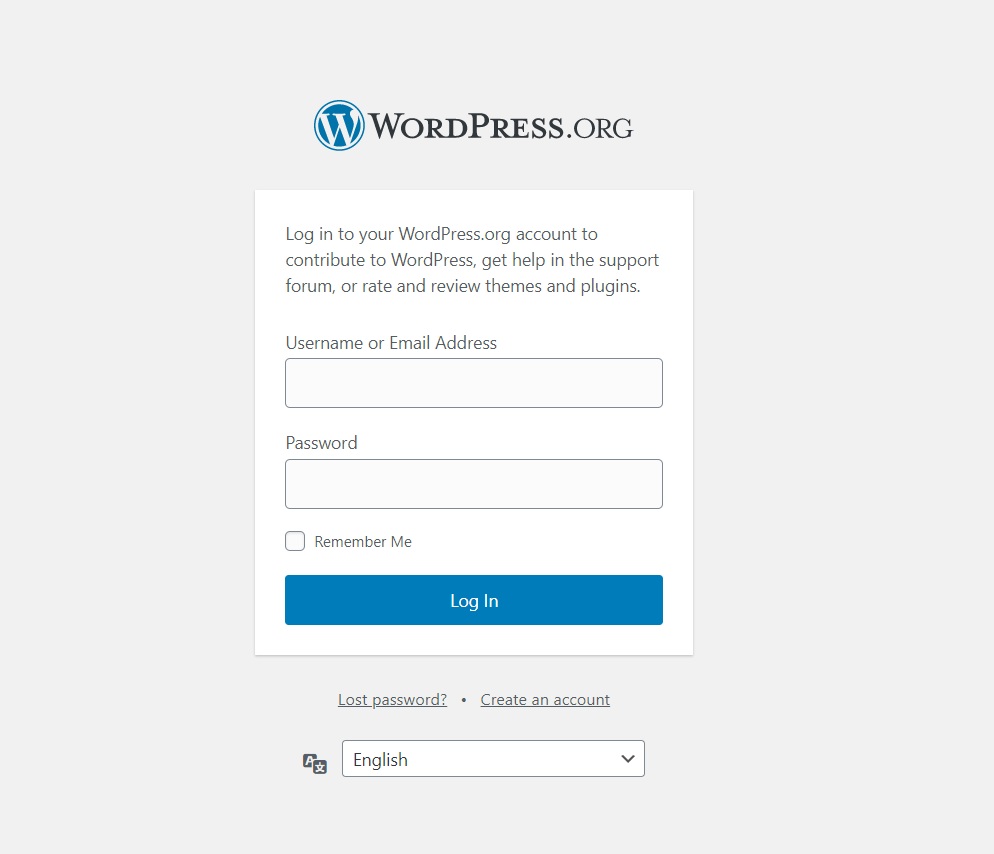
Testing the default login path is another strong indicator. Add /wp-admin to the end of the domain.

Example:
example.com/wp-admin

If a login screen appears, the website is built on WordPress.

Some sites redirect this page to a custom login URL or restrict access by IP address. If you receive a 403 error or redirect, the site may still use WordPress. Developers sometimes harden login access for security.

Even if the login page is hidden, the default path exists at the server level unless it has been fully reconfigured.

3. Check the /wp-json REST API Endpoint

WordPress includes a built-in REST API. You can test this by adding:

/wp-json

to the domain.

If structured JSON data loads in your browser, the site likely uses WordPress.

The REST API reveals information such as:

  • Post types

  • Site metadata

  • Plugin data

  • Theme structure

This method works even if the design hides wpcontent references.

Advanced WordPress developers sometimes disable the REST API. However, most sites leave it active because many plugins depend on it.

4. Inspect HTTP Headers and Generator Tags

HTTP headers often reveal whether a website uses WordPress. Open Developer Tools in your browser and inspect the Network tab. Look for indicators such as:

Some WordPress websites include a generator tag in the page source:

<meta name=”generator” content=”WordPress 6.x”>

Many developers remove this tag for security reasons. Even if the generator tag is hidden, plugin scripts and AJAX endpoints often still expose WordPress structures. This applies to blogs, business sites, ecommerce stores, and membership websites built on WordPress.

5. Inspect Image and Asset File Paths

WordPress stores uploaded media files in a predictable directory structure such as:

/wp-content/uploads/year/month/

If images load from this path, the website runs on WordPress.

Themes and plugins load from the same core directory. For example, a membership plugin like MemberPress may appear inside the plugins folder.

Even customized sites usually retain this default structure.

For example, if you see:

/plugins/memberpress/

The site is using MemberPress, a popular WordPress plugin used to power membership websites. This confirms that the platform is a WordPress site.

Even heavily customized websites usually retain these core file paths.

6. Use a CMS Detection Tool

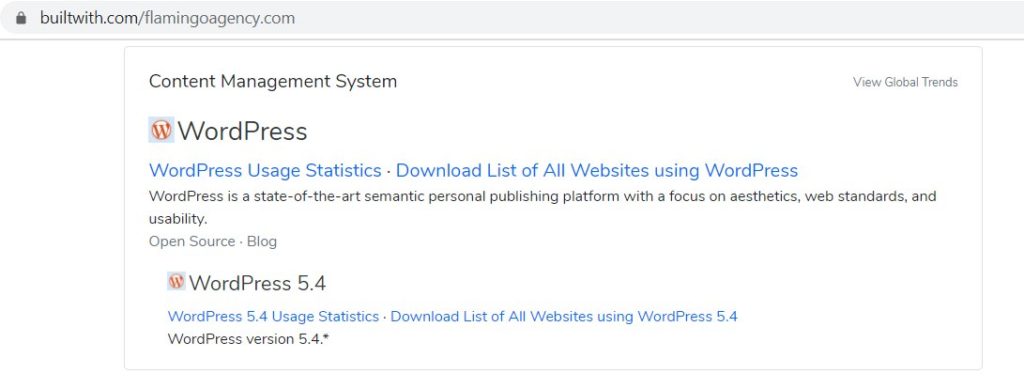
CMS detection tools can confirm WordPress instantly. Tools such as BuiltWith, WhatCMS, Wappalyzer, and IsItWP scan the site’s source code, scripts, and server responses.

These tools identify:

  • WordPress core files

  • Plugin references

  • Theme structures

  • CMS-specific signatures

Automated tools are helpful when manual inspection is unclear. However, advanced or headless WordPress installations may require additional verification.

Many WordPress developers use both manual checks and detection tools to confirm the platform accurately.

7. Check the HTTP Headers for WordPress Indicators

Some websites use headless WordPress. In this setup, WordPress powers the backend while a separate front-end framework displays the content.

In these cases:

  • wp-content may not appear clearly in the HTML

  • Theme references may be limited

  • JavaScript frameworks handle rendering

You can still test:

  • /wp-json

  • REST API responses

  • XML-RPC endpoints

Even membership websites powered by WordPress and plugins like MemberPress still rely on these backend endpoints.

WordPress vs Other Website Platforms: How to Tell the Difference

Different website platforms leave different technical footprints. WordPress uses directories such as /wp-content/ and /wp-admin/. Other platforms rely on their own identifiable structures.

Shopify websites often load assets from cdn.shopify.com and include Shopify-specific script references. Wix websites frequently reference wixstatic.com in their page code. Squarespace uses distinct hosting patterns and content delivery paths tied to its infrastructure.

By comparing these indicators, you can determine whether a site runs on WordPress or another content management system within seconds.

If you are evaluating a business site, ecommerce store, or membership website, confirming the platform helps you understand its flexibility, scalability, and SEO structure.

Platform choice affects flexibility, SEO control, and long-term cost. Businesses comparing WordPress to platforms like Shopify or Wix often want to understand pricing differences before committing to a build. If you are evaluating options, it helps to understand how much a business website costs depending on the CMS and customization level.

Why Knowing If a Website Uses WordPress Matters

Knowing whether a website uses WordPress helps you understand how flexible and scalable the site is. WordPress is an open-source content management system, which allows full control over design, SEO settings, plugins, and performance optimization.

If a website runs on WordPress, it can support advanced features such as ecommerce stores, blogs, and membership websites using plugins like WooCommerce or MemberPress. This flexibility allows businesses to expand functionality without switching platforms.

WordPress websites require regular updates, plugin management, backups, and security monitoring to remain stable and secure. Many businesses rely on professional WordPress maintenance services to handle updates, performance optimization, and long-term technical stability.

Identifying the CMS also helps when analyzing competitors. Marketers and WordPress developers often check whether a site uses WordPress before performing audits, redesigns, or SEO improvements.

For business owners, confirming the platform provides insight into customization options, security practices, and long-term scalability. Understanding the underlying CMS helps you make informed decisions before hiring a WordPress developer or investing in WordPress web design.

Frequently Asked Questions About Detecting WordPress

How can I check the WordPress version of a website?

You can sometimes identify the WordPress version by viewing the source code and looking for version parameters in script URLs. Some sites also expose version details through the generator meta tag or REST API responses. Many developers remove visible version numbers for security reasons.


Is there a WordPress theme detector or WP theme detector?

Yes. A WordPress theme detector scans the source code to identify which theme powers the site. Many online tools act as a WP theme detector by analyzing theme directories inside the WPcontent folder. Browser extensions can also reveal theme details instantly.


How do I know how many plugins a site uses?

There is no exact way to see how many plugins are installed. However, you can use a plugin detector or inspect the source code for plugin-related scripts. Some tools analyze loaded assets and estimate active plugins.


Can Google Chrome help detect WordPress?

Yes. In Google Chrome, you can right-click and select “View Source” to manually inspect the code. Chrome browser extensions such as technology sniffers can also detect whether a site is built with WordPress in just a few seconds.


Can I tell if a site is built with WordPress even if it uses a custom design?

Yes. Even if a site uses custom designs or a child theme created by a theme developer, WordPress still leaves structural indicators. Directory paths, API endpoints, and plugin references usually confirm the CMS.


Can Google Analytics confirm if a site uses WordPress?

No. Google Analytics does not confirm the CMS. Many different platforms use Google Analytics. You must inspect the source code, use online tools, or apply detection methods to verify if a site is built with WordPress.

Picture of Chris Granat

Chris Granat

Chris is the founder and lead web designer at Flamingo Agency, a Chicago web design agency.

Table of Contents