
How Much Does a Small Business Website Cost in 2024?
Find out how much web design agencies charge for websites and what factors determine the cost.

Contents
How Much do Small Business Websites Cost?
The cost of a small business website typically ranges anywhere from $2500 to $10,000. While very basic landing pages begin at $1,000, businesses from specific SMB industries need more website functionality and will pay up to $10,000 for a site with special features. If you’re a typical startup or a small business looking for a long-term website investment, expect to pay about $4000-6000.
Breakdown: Small Business Web Design Pricing
You may wonder why is there such a big discrepancy in price range? As an owner of a Chicago web design agency, I will explain the details of website costs.
Website design is a highly customized and professional service. The main reason why most web design companies can’t easily explain their pricing is because there is a huge variety of web design options, features and packages and most prospects want something entirely different.
Like with any service, it’s important to know what you’re getting — or not getting — for your money’s worth. Let’s take a deeper look at small business web design pricing.
What Factors Influence the Cost of a Small Business Website?
Content Management System
What kind of a CMS (Content management system) will your website use? Every website is built on a platform and the vast majority of SMB websites are running on a CMS platform. The most popular and powerful CMS platform for small businesses is WordPress. The technology behind WordPress offers a superior way of creating, customizing and maintaining websites.
The CMS you pick determines the ease of maintance, security and optimization.
WordPress website development costs a bit more, but they offer more possibilities on your website as opposed to other CMS platforms or website builders.
WordPress happens to be our preferred and only web design platform of choice. We don’t design and develop websites with lesser-known CMS and website builder platforms such as Shopify, Joomla, Wix or Squarespace.
Client Industry
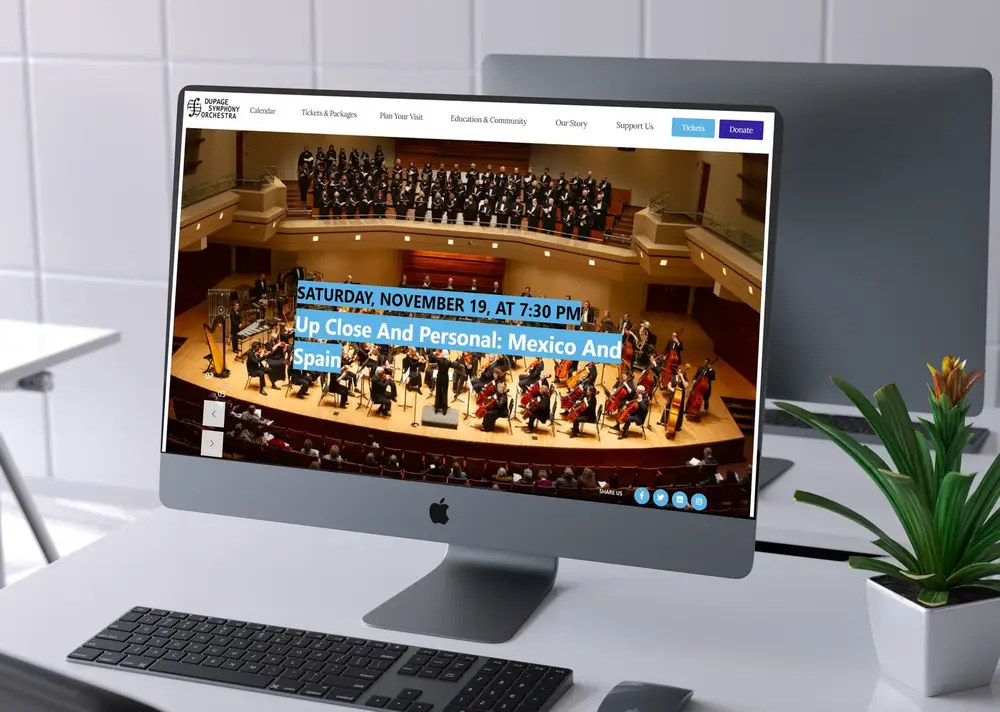
The client’s industry can influence the cost of a small business website in various ways. In industries such as healthcare or finance, where complex regulations and data security are paramount, the cost may rise due to the need for compliance measures. For a law firm, the cost of a law firm website may be impacted by specific legal industry standards. On the other hand, websites for businesses in less regulated sectors may cost less, with a focus on basic functionalities and design. Understanding industry-specific requirements is crucial in accurately assessing website development costs.
Functionality

When it comes to functionality and different type of options that websites offer, the possibilities are virtually unlimited. At one point every business owner hoping to create a website will be asked very specfic questions by a web developer.
Will this be a simple, informational website or are we looking to add functional add-ons? What exactly do you want to accomplish with your site? What kind of custom site options or premium plugins should the site feature? The questions serve a purpose.
The type and level of customization and interactivity features will influence the website costs. It’s important to explain to your developer all your needs in detail.
There are relatively simple addons that enhance the usability or website accessability of any site. Many businesses like to showcase a modern gallery featuring their most recent work or a custom video playing in the page background.
Interested in content marketing and setting up a blog on your site? Make sure your web pro can help set up a blog and newsletter.
If you want your site to feature e-Commerce funcionality and payment integration, find out if your web developer can help you with this and how much does it cost to build this exciting feature. To use popular e-Commerce integrations on your website, expect to pay per month for them.
Design Quality
Marketing professionals claim that your website is your most powerful marketing asset. Customers are quick to make an impression of your company based on the quality and look of your website design.
Design trends change with every year and so does the perception of what kind of website look is modern or professional.
Many beginning web developers use predesigned web templates or WordPress themes. Thanks to these affordable web solutions it is easier and to create a basic online presence.
However, most professional web design companies create custom sites from scratch where they have full control over every visual, technical and optimization aspect of the site. Using their web development skill they build a custom site wonderful visual possibilities such as asymmetric layouts, parallax and interactive animations to name a few.
Custom website design featuring a unique design will cost more.
Size of Website: Number of Pages
Websites are composed of pages. Typically small business website ranges anywhere from 5-100 pages, the average being 10-20 pages with each page describing a different subject or service. What that means is, the more you choose to show and write about on your site, the more time and work it will take to have it developed.
If you are on a budget, your best option might be going with a website featuring up to 10 pages. However if you are sure your clients will appreciate a comprehensive site that is well optimized for content they are searching for, don’t shy away from creating as many pages as you want.
Optimization: Is the Website Optimized for Search and On-page SEO
In 2024, the question isn’t whether a website is fully responsive and works great on mobile. That is a given. The question is whether website is optimized for search and actually performing and receiving traffic — which is a different issue altogether. Every business owner can easily access website visitor information by logging into Google Search Console or Google Analytics.
At Flamingo Agency, being a web design company focusing half of our business in SEO for small business, this is the area where I believe we excel. We specifically specialize in designing websites highly optimized for search engine optimization. We take extra measures to ensure that every finish we create is optimized for search intent. We do keyword research and help pick the best keywords. We make sure the website loads not fast and caches. In other words, we have to make sure the site is ready to cope with the latest Google algorithms.
Ease of Maintenance: WordPress Page Builder
Once you have your website ready, it’s crucial to maintain it. Once neglected, your site can break down, get hacked or drop in search engine rankings. Depending on your type of CMS technology, it may be easy of difficult to take care of your website maintenance.
WordPress developers typically use a page builder to code a site. While there is a number of page builders out there, the leading and most popular one is definitely Elementor.
At Flamingo Agency, we design and develop with Elementor. We have mastered it and can build pretty much everything in it. Elementor offers a great mixture of maintenance easy and flexibility for both developers and business owners.
Web Designer Expertise
Finally, let’s consider the aspect of the human work it takes to build a website. An experienced web developer will offer guidance every step of the way and offer professional customer service once the project is finished. Hire someone who will provide ongoing website maintenance support and will help with many website related issues such as:
– How to choose a web hosting plan
– How to register a domain name
– How to connect your email address
– How to setup an SSL Certificate and improve security
Final Thoughts
There is so much more to creating a website than just the visuals. It’s the development details on the backend site that make a website a great or a bad investment for years. Now that you know more about the details, you may understand the average cost to build a website. Web design pricing is not simple and shoudn’t be because different prospects have different expectations.
Companies in professional services (medical, law) might seem to offer expensive services, so it only makes sense for them to invest more and build a website that attracts their target audience.
Ready to get a professional website for your business?
Would you like to find out more about our WordPress website design services? Request a free strategy consultation and get in touch with our website designers. Contact us by sending an email or schedule a phone call conversation and let’s talk about your new website solution. Let’s build something epic and grow your business online for your clients.

Chris Granat
Chris is the founder and lead web designer at Flamingo Agency, a Chicago web design agency.